Screen Printing vs. Embroidery: Which Is Better for Your Logo?
By Michael Nguyen · Published · 4 minutes read
Choosing between screen printing and embroidery usually comes down to three things: how many pieces you need, what the garment is made of, and how the logo should feel and age. Both methods produce professional results, but they behave very differently on a polo versus a performance tee.
This breakdown covers real cost ranges, setup charges, wash durability, and the garment types each method suits best, so you can pick the right technique before you request quotes.
How Each Method Actually Works
Screen printing pushes thick ink through a mesh stencil onto the fabric. Each color needs its own screen, so a three-color logo means three setup screens and three passes through the press. The ink sits on top of the fabric, which gives bold, saturated color that reads well from a distance.
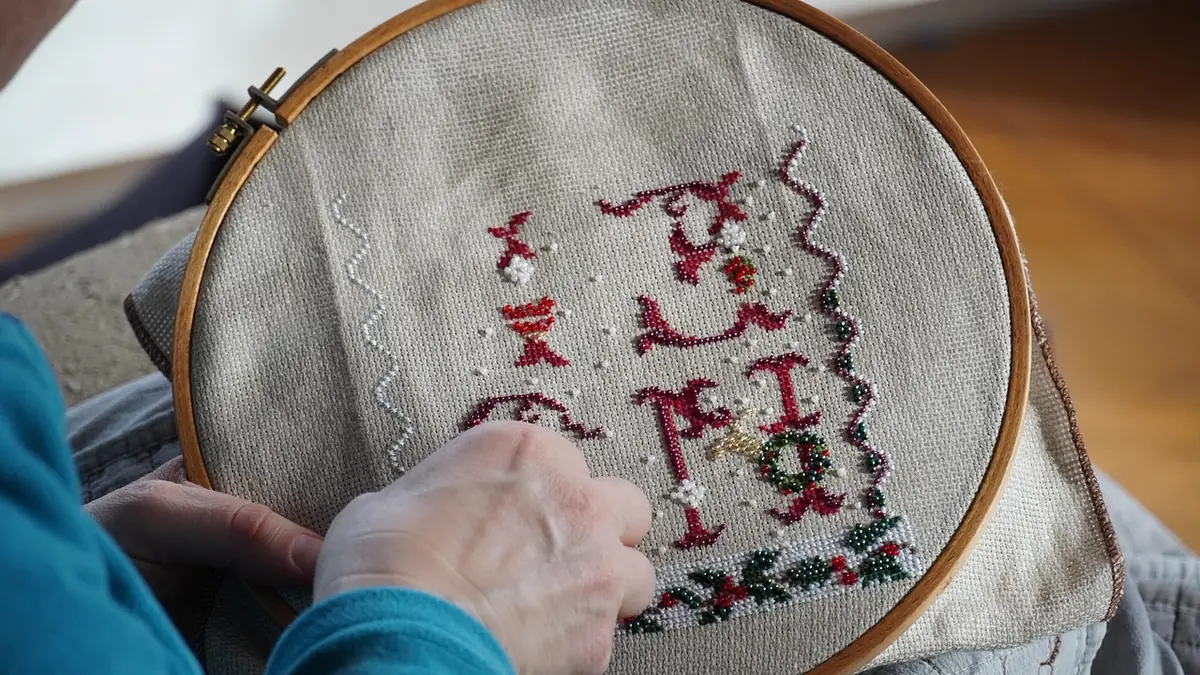
Embroidery stitches thread directly into the garment, building the logo from thousands of stitches. A digitized file tells the machine where to sew, and stitch count drives both cost and production time. Embroidered logos have physical texture and a slightly raised profile.
Neither method is inherently higher quality. A clean one-color screen print on a cotton tee looks sharp, and a well-digitized embroidered logo on a polo looks premium. The mismatch happens when you apply the wrong method to the wrong garment.
- Screen printing: ink on the surface, priced per color plus setup
- Embroidery: thread sewn into the fabric, priced per stitch count
- Screen printing needs artwork separated by color; embroidery needs a digitized file
Cost Per Piece and Setup Fees
For small runs, embroidery often wins on total cost because it has no per-color setup. Digitizing a logo typically runs $25–$60 once, and per-piece pricing commonly lands around $6–$12 for a left-chest logo depending on stitch count. Screen printing usually carries $20–$35 per screen, so a three-color logo adds $60–$105 before a single shirt prints.
At volume the math flips. Screen printing per-piece costs drop steeply past 50–100 units, often to $2–$6 for a one-color print on a basic tee. Embroidery pricing is stickier because machine time is fixed by stitch count, so it rarely drops below $4–$8 per piece even at high quantities.
If your budget is tight and your order is small, a one-color screen print or embroidery are usually the two cheapest paths. Multi-color prints on 20 shirts are where costs surprise people. Our Cost Guide: Custom Logo Apparel for Small Teams breaks down the full landed cost, including garments and shipping.
- Embroidery digitizing: roughly $25–$60 one-time
- Screen setup: roughly $20–$35 per color
- Screen printing per piece at 100+: often $2–$6
- Embroidery per piece: often $4–$12 regardless of quantity
Durability and Wash Performance
Properly cured plastisol or water-based ink holds up for years. The common failure is under-curing, which causes cracking and fading after 10–20 washes. A well-cured print on cotton typically outlasts the garment itself, though heavy ink on stretchy performance fabric can crack as the material flexes.
Embroidery is mechanically durable because the thread is stitched through the fabric. It survives hundreds of wash cycles, but pilling and thread fraying can occur on cheap garments or with loose stitch density. Backing material also matters: cut-away backing on knits prevents the logo from pulling the fabric out of shape.
For workwear that gets washed weekly, embroidery generally wins. For giveaway tees washed occasionally, either works. If prints do fail, our guide to Troubleshooting Common Issues with Custom Logo Prints covers the usual culprits and fixes.
- Cured screen print: often lasts the life of the shirt
- Under-cured ink: cracking within 10–20 washes
- Embroidery: durable but can fray or pill on low-quality fabric
- Cut-away backing protects stretchy knits
| Factor | Screen Printing | Embroidery |
|---|---|---|
| Setup cost | $20–$35 per color | $25–$60 digitizing, once |
| Per-piece cost (small run) | $5–$10 | $6–$12 |
| Per-piece cost (100+ units) | $2–$6 | $4–$8 |
| Minimum order | Often 12–24 pieces | Often none |
| Typical turnaround | 5–10 business days | 3–7 business days |
| Best garments | Tees, hoodies, totes | Polos, caps, jackets |
| Detail limit | Fine detail and gradients possible | Text under ~0.2 in. blurs |
Which Garments Suit Which Method
Screen printing shines on flat, smooth surfaces: cotton tees, hoodies, canvas totes, and flat-front caps. Large front or back prints are cheaper and faster in screen print, and photographic or gradient artwork is only feasible with specialty printing, not embroidery.
Embroidery belongs on structured garments: polos, button-downs, quarter-zips, jackets, beanies, and caps. Left-chest logos look intentional in thread and hold shape on collars and plackets where ink would feel stiff. Fine detail is the limit—text below about 0.2 inches tall or very thin lines can blur in thread.
Fabric choice affects both. On moisture-wicking polyester, ink needs a specific low-bleed formulation, and embroidery needs a backing that won't show through. Our guide on How to Choose the Right Fabric for Custom Logo T-Shirts explains how blends change print and stitch outcomes.
- Screen print: tees, hoodies, totes, large back prints
- Embroidery: polos, caps, jackets, left-chest logos
- Avoid tiny text and fine gradients in embroidery
- Performance polyester needs low-bleed ink or stabilizer backing
Turnaround Times and Minimums
Screen printing has more moving parts: screens must be burned, colors registered, and shirts loaded individually. A typical small order takes 5–10 business days after artwork approval, and rush fees are common. Embroidery is often faster for small runs because the machine runs from a digitized file, with 3–7 business days being typical.
Minimums differ too. Many screen printers set minimums around 12–24 pieces because setup only pays off at volume. Embroidery shops frequently accept single pieces, which makes it popular for individual uniforms or small leadership teams.
That flexibility matters for growing teams. Before ordering, check Minimum Order Quantities for Custom Logo Products: What to Expect so you don't get surprised by a 24-piece floor on a 15-person order.
- Screen print turnaround: about 5–10 business days
- Embroidery turnaround: about 3–7 business days
- Screen print minimums: commonly 12–24 pieces
- Embroidery: often no minimum
Making the Call
Pick screen printing when you need bold color, large graphics, or the lowest per-piece cost at 50+ units on cotton garments. Pick embroidery when you're outfitting polos or caps, want a premium feel, or your order is small enough that setup fees would dominate the budget.
A mixed approach is common and sensible: embroidered polos for client-facing staff, screen-printed tees for events and giveaways. Whichever you choose, keep care instructions with the garment—our guide on How to Care for Embroidered Logo Apparel covers wash and dry habits that keep thread looking new.
- Bold multi-color art and big prints: screen printing
- Structured garments and small runs: embroidery
- Mixed orders by garment type are normal
- Embroidery wins on small runs and structured garments; screen printing wins on volume and bold graphics.
- Screen setup runs about $20–$35 per color, so multi-color small orders get expensive fast.
- Embroidery digitizing is a one-time $25–$60 cost that pays off across repeat orders.
- Match the method to the fabric and garment type—not the other way around.
Michael is a marketing professional who frequently writes about branding and corporate identity through apparel. He has worked with small businesses to develop cohesive logo strategies and understands the challenges of ordering custom products in small quantities. His articles focus on actionable tips for maximizing brand impact.