How to Choose Fabric for Custom Logo T-Shirts
By Sarah Thompson · Published · 4 minutes read
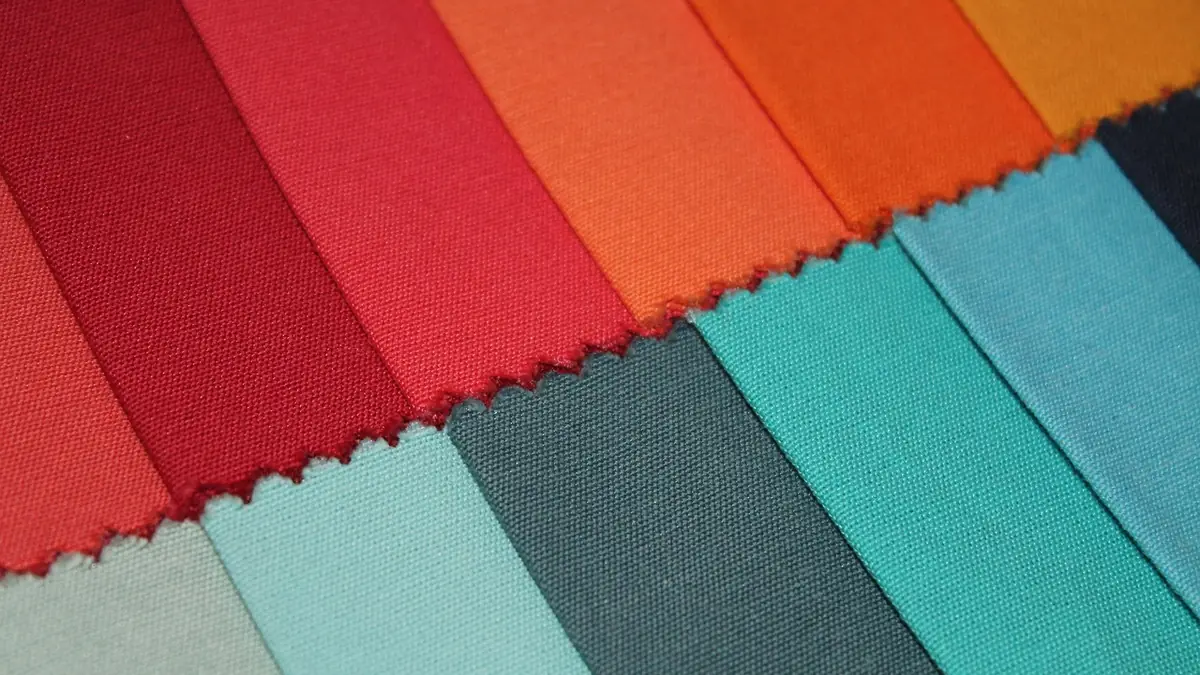
Fabric is the decision that quietly shapes everything else about a logo shirt: how the print looks after twenty washes, whether the shirt survives a summer event, and whether your team actually wears it. Get it right and a mid-priced shirt feels premium. Get it wrong and even a sharp logo looks tired by the second month.
This guide walks through the practical differences between cotton, polyester, and blends, then matches each to common logo methods and use cases. It is written for buyers ordering anywhere from a few dozen to a few thousand shirts, where small per-unit savings add up and returns are expensive.
Why Fabric Matters More Than the Logo Itself
A logo is only as good as the surface it sits on. A detailed embroidered crest on a flimsy 4.1 oz jersey puckers and pulls; the same crest on a stable 6 oz ring-spun knit sits flat for years. Fabric weight, yarn type, and fibre content determine whether decoration holds its shape and colour.
Comfort drives wear, and wear drives the real cost per impression. A shirt worn weekly for two years delivers far more brand exposure than one that stays in a drawer because it feels clammy. Buyers who chase the lowest unit price often see their shirts retired early, which quietly doubles the effective cost.
There is also a supply question. Popular colours and sizes in common fabrics restock quickly, while specialty blends can add weeks to lead times. If you have a fixed event date, standard cotton or a 50/50 blend is usually the safer bet than an exotic tri-blend in a niche colour.
- Fabric weight drives drape, opacity, and print stability
- Fibre content decides shrink, moisture, and heat behaviour
- Yarn quality (ring-spun vs open-end) affects softness and pilling
- Stock availability of fabric and colour affects lead time
100% Cotton: The Comfort and Print Standard
Cotton remains the default for retail-feel branded tees, and for good reason. Ring-spun cotton in the 4.3–5.3 oz range is soft against skin, takes screen printing and embroidery cleanly, and holds vibrant plastisol colour well. It breathes in warm weather and feels familiar to staff and customers alike.
The trade-offs are real. Standard cotton can shrink 3–7% on the first hot wash unless it is pre-shrunk, so size up slightly or specify pre-shrunk garments. It absorbs moisture and dries slowly, which makes it a poor fit for gyms, kitchens, and outdoor work where shirts stay damp.
Cotton also fades with repeated washing, especially darker dyes and direct-to-garment prints. If longevity matters, look for combed and ring-spun cotton rather than open-end, and consider garment-dyed or reactive-dyed options that hold colour longer.
- Best for retail-style tees, events, and casual uniforms
- Excellent for screen printing and embroidery
- Expect 3–7% shrinkage unless pre-shrunk
- Poor choice for heavy sweat or outdoor labour
Polyester: Durability and Moisture Performance
Polyester earns its place where shirts get punished. It resists shrinking and wrinkling, dries quickly, and keeps its colour through repeated laundering, which is why it dominates sportswear, hospitality, and field uniforms. Modern performance polyesters are far softer than the slick fabrics of a decade ago.
Decoration behaves differently. Dye-sublimation only works on polyester, so it is the go-to for all-over patterns and photo-real graphics. Screen printing on polyester needs low-bleed or blocker inks, otherwise dye migration can tint a white logo pink over time, particularly on red and navy garments.
Comfort is the sticking point. Standard polyester traps heat and can hold odour, so specify moisture-wicking or odour-control finishes if the shirts will be worn hard. Expect to pay somewhat more than basic cotton for quality performance fabrics.
- Shrink-resistant and fast-drying
- Required for dye-sublimation decoration
- Use low-bleed inks to prevent dye migration
- Choose moisture-wicking finishes for active wear
Blends: The Practical Middle Ground
Cotton-polyester blends, most commonly 50/50 or 60/40, balance softness with durability. They shrink less than pure cotton, resist wrinkles, and hold print colour well. A 50/50 tee is a workhorse for staff uniforms, giveaways, and promotional runs where consistency across large quantities matters.
Tri-blends (cotton, polyester, and rayon) feel exceptionally soft and drape well, making them popular for premium retail-style merch. The catch is that rayon adds cost, can shrink more than expected in hot water, and prints with a slightly muted look on some fabrics.
For buyers, blends reduce risk. They tolerate variable washing habits, keep sizing consistent across reorders, and generally sit in a similar price band to mid-grade cotton. That predictability is why many organisations standardise on one blend for all branded apparel.
- 50/50 blends: durable, low-shrink, affordable
- 60/40 blends: slightly softer hand, similar performance
- Tri-blends: premium feel, higher cost, gentler wash care
- Best for large uniform programs and repeat orders
| Fabric | Typical Weight | Shrinkage | Best Decoration | Typical Unit Cost |
|---|---|---|---|---|
| 100% ring-spun cotton | 4.3–5.5 oz | 3–7% unless pre-shrunk | Screen print, embroidery, DTG | $6–$12 |
| 100% polyester | 3.8–5.0 oz | Under 2% | Dye-sublimation, low-bleed screen print | $12–$25 |
| 50/50 cotton-poly blend | 4.5–5.5 oz | 2–4% | Screen print, embroidery | $8–$16 |
| 60/40 cotton-poly blend | 4.5–6.0 oz | 2–4% | Screen print, embroidery | $8–$16 |
| Tri-blend (cotton/poly/rayon) | 3.8–4.5 oz | 3–5% | Soft-hand screen print, DTG | $12–$22 |
| Heavyweight cotton | 6.0–7.0 oz | 3–6% | Embroidery, screen print | $10–$20 |
Matching Fabric to Decoration Method
Screen printing works best on smooth, tightly knit cotton and blends. Fabric with a heavy texture or loose weave can let ink sit unevenly, while very stretchy fabrics need plastisol with a stretch additive to avoid cracking. For multi-colour logos at volume, cotton and 50/50 blends are the reliable pairing.
Embroidery needs a stable ground. Medium-weight cotton, pique polos, and structured blends hold stitches cleanly, while thin or highly elastic fabrics pucker without backing and topping. If your logo has fine detail or small text, choose a denser fabric and keep the design within sensible stitch counts.
Direct-to-garment and heat transfer suit cotton-rich surfaces. Polyester-heavy shirts can repel DTG inks or scorch under heat presses, so test a sample before committing to a full run. If you are weighing methods, our comparison of screen printing and embroidery covers durability and cost per unit in more detail.
Weights, Budgets, and Real-World Use Cases
Weight is the quickest quality signal. Lightweight 3.5–4.3 oz shirts suit warm climates and giveaway volumes but can be semi-sheer in white. Midweight 4.5–5.5 oz covers most corporate and event needs, while 6 oz and heavier fabrics make durable workwear and heavyweight retail merch.
Budget roughly $6–$12 per unit for basic cotton tees, $8–$16 for quality blends, and $12–$25 for performance polyester or tri-blends before decoration. Decoration typically adds $3–$8 depending on colour count, stitch count, and placement. Small runs under 24 pieces often carry setup fees that change the maths.
Plan your sizes and quantities before you lock the fabric, since minimums vary by colour and style. Our guides on minimum order quantities and the sizing guide for custom t-shirts and hoodies help you avoid over-ordering a fabric you cannot reorder later.
- Cotton gives the best retail feel and print quality; specify pre-shrunk to limit shrinkage
- Polyester wins on durability and drying speed but needs low-bleed inks for screen printing
- 50/50 blends are the safest all-round choice for uniforms and large repeat orders
- Match fabric weight to use: 4.5–5.5 oz for most needs, 6 oz and up for workwear
Sarah is a freelance writer and small business owner who has ordered custom apparel for her own team. She shares firsthand insights on the ordering process, from design to delivery, with a focus on cost-effectiveness and quality. Her goal is to simplify the custom apparel experience for other business owners.