All Collections: Custom Logo Apparel & Promo Products
By Sarah Thompson · Published · 4 minutes read
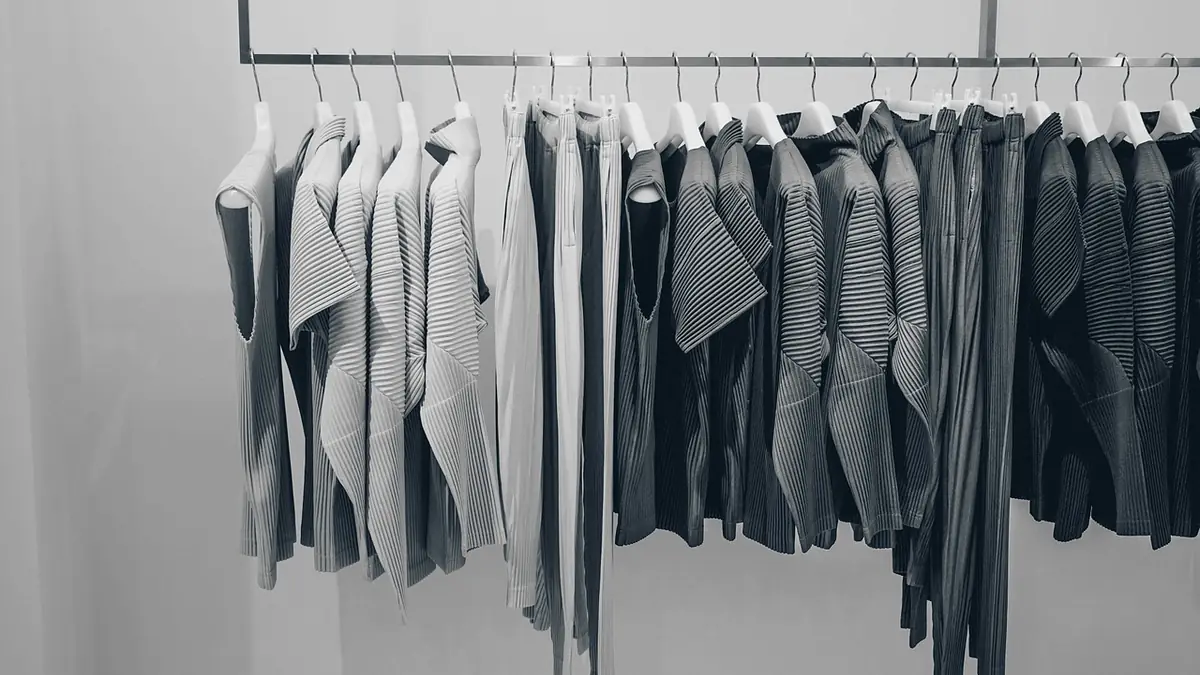
Our full catalog is organized into collections so you can see exactly what can carry your logo: tees, hoodies, polos, caps, bags, drinkware, and everyday promo items. Each collection has its own decoration methods, typical minimums, and price bands.
This page gives you a practical overview of what's in each collection, how decoration works on different materials, and what to expect for cost and turnaround so you can plan a launch or a reorder without surprises.
Apparel Collections: Tees, Hoodies, and Polos
Apparel is the core of most logo programs. Cotton and cotton-blend tees are the lowest-cost entry point—screen printing typically starts around 24–50 pieces per design, and you'll see unit prices in the $6–$14 range for basic styles at moderate quantities. Blends and ringspun cottons cost more but print and drape better.
Hoodies and fleece sit higher: expect $18–$40 per unit at retail-quality blanks, with MOQs similar to tees for screen printing. Polos often use embroidery, which has its own minimums (often 12–24 pieces) and per-stitch pricing. If you're unsure what size to order, our sizing guide for custom logo T-shirts and hoodies covers fit and sizing runs.
Decoration choice matters as much as the garment. Screen printing is economical at volume, while embroidery suits polos and outerwear. For a deeper look at where the logo should sit, see how to choose the best logo placement on apparel.
- Tees: screen print, 24–50 pc MOQ, $6–$14/unit typical
- Hoodies: 24–50 pc MOQ, $18–$40/unit typical
- Polos: embroidery, 12–24 pc MOQ, $15–$35/unit typical
- Add $1–$3/unit for multi-color or oversized prints
Headwear and Bags: High-Visibility, Low-Friction
Caps and beanies are among the most cost-effective logo items—often $8–$18 per unit at 48–100 pieces, with embroidery included in many programs at that volume. Structured caps embroider cleanly on the front; unstructured styles work well for a lower-profile look. Minimums usually start at 24–48 pieces per style and color.
Bags range from basic cotton totes ($3–$8 at 100+ pieces) to higher-end backpacks and duffels ($15–$45). Screen printing works on cotton and canvas; heat transfer or embroidery suits nylon and polyester. Because bags are used in public, they generate repeat impressions, which is why they're a staple in promotional programs.
If you're weighing bags against other giveaways, our overview of promotional products beyond apparel compares use cases, cost per impression, and practical order sizes.
- Caps: 24–48 pc MOQ, $8–$18/unit typical
- Beanies: 24–48 pc MOQ, $9–$20/unit typical
- Cotton totes: 100+ pc, $3–$8/unit typical
- Backpacks/duffels: 25–50 pc, $15–$45/unit typical
Drinkware and Desk Items: Useful, Durable, Branded
Drinkware—tumblers, bottles, and mugs—is a strong everyday category. Stainless tumblers with laser engraving typically run $12–$30 per unit at 50–100 pieces; ceramic mugs with a one-color print can land at $5–$12 at 72–144 pieces. Engraving is permanent and looks premium; pad printing is more economical for simple logos.
Desk and tech items (notebooks, pens, cable organizers, mousepads) often start at lower unit costs but have their own minimums, frequently 50–100 pieces. These items are useful for conferences and client gifts where you want something that stays on a desk rather than in a drawer.
Material matters: powder-coated metal takes engraving well, while soft plastics and silicone usually need pad printing or heat transfer. Always request a proof—especially on curved surfaces where a complex logo can distort.
- Tumblers: 50–100 pc MOQ, $12–$30/unit typical
- Ceramic mugs: 72–144 pc MOQ, $5–$12/unit typical
- Notebooks: 50–100 pc MOQ, $4–$12/unit typical
- Pens: 250–500 pc MOQ, $0.50–$2/unit typical
How Decoration Methods Vary by Collection
Each collection comes with compatible decoration methods, and those methods drive both cost and minimums. Screen printing needs a setup per color and works best on flat cotton; embroidery uses stitch counts and works on knits and woven fabrics; laser engraving suits metal and glass; pad printing handles small, curved plastics.
A common mistake is choosing a method before confirming the artwork. Thin lines, gradients, and small text can disappear in embroidery or pad printing. If you've had issues before, our guide to troubleshooting common issues with custom logo prints walks through fixes for registration, color shift, and cracking.
Artwork quality is the other half of the equation. Vector files with clean paths print and embroider predictably; low-resolution JPGs don't. Our walkthrough on how to prepare your logo file for printing on apparel explains file types, color modes, and what to send.
- Screen print: per-color setup, best on cotton, low cost at volume
- Embroidery: per-1,000-stitch pricing, best on polos/caps
- Laser engraving: no color, permanent, best on metal/glass
- Pad printing: small curved items, one to three colors
MOQs and Pricing: What to Expect Across Collections
Minimum order quantities vary widely by collection and decoration. Apparel screen printing commonly starts at 24–50 pieces per design; embroidery often starts at 12–24; hard goods and drinkware typically run 50–100; small accessories like pens can start at 250+. Larger orders bring unit costs down, especially on screen-printed apparel.
Pricing also depends on garment or product grade, number of print locations, and decoration complexity. A one-color left-chest print on a basic tee is the budget anchor; a full back print plus sleeve print adds cost and setup. For a plain-language breakdown of minimums by product type, see minimum order quantities for custom logo products.
Turnaround is usually 7–15 business days after proof approval for standard decoration, with rush options available at a premium. Around peak seasons (spring events, Q4), lead times can stretch, so build a buffer into your launch date.
- Apparel screen print: 24–50 pc per design
- Embroidery: 12–24 pc typical
- Drinkware/hard goods: 50–100 pc typical
- Standard lead time: 7–15 business days after proof
| Collection | Typical MOQ | Typical unit price | Common decoration |
|---|---|---|---|
| T-shirts | 24–50 | $6–$14 | Screen print, DTG |
| Hoodies/sweatshirts | 24–50 | $18–$40 | Screen print, embroidery |
| Polos | 12–24 | $15–$35 | Embroidery |
| Caps/beanies | 24–48 | $8–$20 | Embroidery |
| Totes/bags | 25–100 | $3–$45 | Screen print, heat transfer |
| Drinkware | 50–100 | $5–$30 | Laser engraving, pad print |
| Pens/desk items | 50–500 | $0.50–$12 | Pad print, laser engraving |
Building a Balanced Logo Program
Most successful programs mix a few apparel pieces with a handful of hard goods. A typical starter set: one tee, one cap, one tumbler, and one tote. That covers employee wear, event giveaways, client gifts, and everyday visibility without overcommitting to a single category.
Reorder early. Once you've approved a proof and a product, keep the artwork and the exact SKU on file—switching blanks or decoration methods later can change the print size, color, and cost. If you plan to scale, consolidate designs to hit volume price breaks rather than spreading small orders across many items.
Start with the collections that match your audience: field teams need durable apparel and headwear; office and client audiences respond to drinkware and desk items. Then expand based on what you see people actually using.
- Starter mix: tee + cap + tumbler + tote
- Consolidate designs to reach volume price breaks
- Keep approved proofs and SKUs for reorders
- Match collection to audience and use case
- Apparel screen printing typically starts at 24–50 pieces; embroidery often at 12–24.
- Hard goods and drinkware usually have 50–100 piece minimums; small accessories can start at 250+.
- Match decoration to material: screen print for cotton, embroidery for knits, engraving for metal.
- Standard turnaround is about 7–15 business days after proof approval; plan around peak seasons.
Sarah is a freelance writer and small business owner who has ordered custom apparel for her own team. She shares firsthand insights on the ordering process, from design to delivery, with a focus on cost-effectiveness and quality. Her goal is to simplify the custom apparel experience for other business owners.